
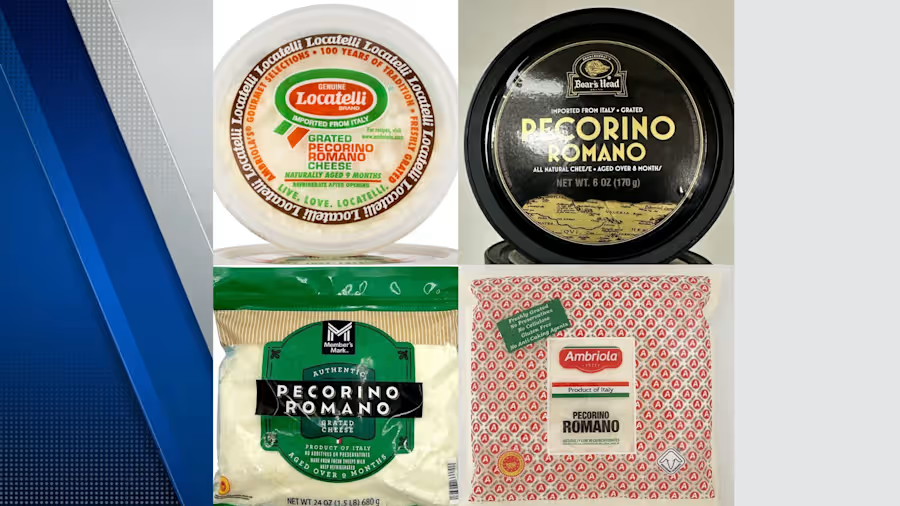
Cheese is one of those everyday foods most of us keep in our refrigerator without a second thought. It’s part of quick breakfasts, evening snacks, family dinners, and weekend treats. That’s why a cheese product recall can feel unsettling. When news breaks about thousands of cheese products being pulled from shelves due to possible contamination, it raises immediate questions: Is my family at risk? What should I do next? And how serious is this situation?
Right now, consumers need clear, calm, and accurate information. This blog is written to help you understand what a cheese recall really means, why it happens, and how to protect yourself without panic.
Why Cheese Products Are Being Recalled
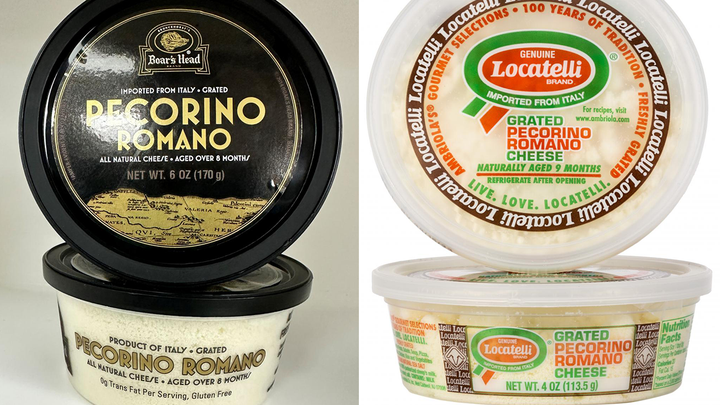
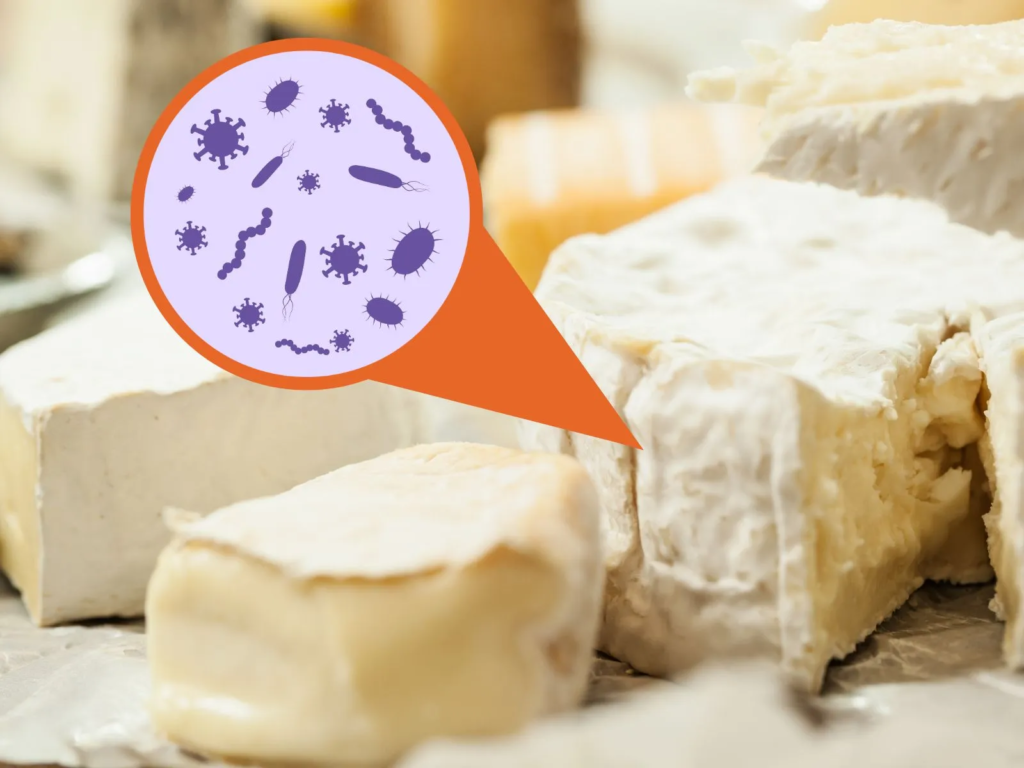
Most cheese recalls are issued as a precaution, not because people are already sick. In many cases, routine testing by manufacturers or food safety authorities detects the possible presence of bacteria such as Listeria monocytogenes. Even the possibility of contamination is enough to trigger a recall.
Listeria is taken seriously because it can cause severe illness, especially for pregnant women, older adults, newborns, and people with weakened immune systems. The goal of a recall is prevention. Products are removed before they cause harm.
It’s important to understand that a recall does not automatically mean every product is contaminated. It means there is enough concern to stop distribution and alert the public.
What Is Listeria and Why Is It a Concern?
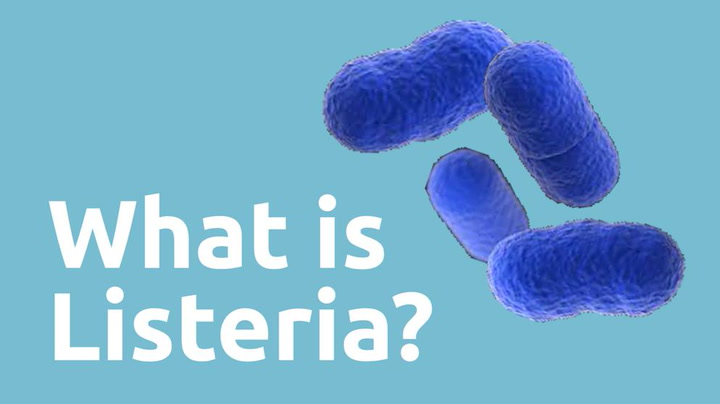
Listeria is a type of bacteria that can survive in cold environments, including refrigerators. This is why dairy products like cheese are closely monitored. Unlike some foodborne bacteria, Listeria doesn’t always change the smell, taste, or appearance of food. That makes it difficult to detect without laboratory testing.
Symptoms of listeriosis can include fever, muscle aches, nausea, and fatigue. In severe cases, it can lead to complications such as meningitis or pregnancy-related risks. However, healthy individuals may experience mild symptoms or none at all.
This is why food safety agencies act quickly and advise consumers to discard or return recalled products.
How to Know If Your Cheese Is Affected
If you hear about a cheese recall, the first step is not panic, but checking details. Recalls usually apply to specific products, batch numbers, production dates, or packaging sizes. Not all cheese from a brand is necessarily involved.
Consumers should:
- Check product labels carefully
- Match batch or lot numbers if provided
- Review expiration or best-by dates
- Pay attention to the type of cheese mentioned in recall notices
If your cheese matches the recall information, do not consume it. Even if it looks and smells fine, it’s better to be cautious.
What to Do If You Have a Recalled Cheese Product
If you believe you have purchased a recalled cheese product, take simple steps:
- Do not taste or use the product
- Seal it in a plastic bag to avoid cross-contamination
- Dispose of it safely or return it to the store if instructed
- Clean any surfaces or containers that came into contact with it
If you’ve already eaten the cheese and feel unwell, especially if you fall into a high-risk group, seek medical advice and mention possible food exposure.
Why Recalls Are a Sign the System Is Working
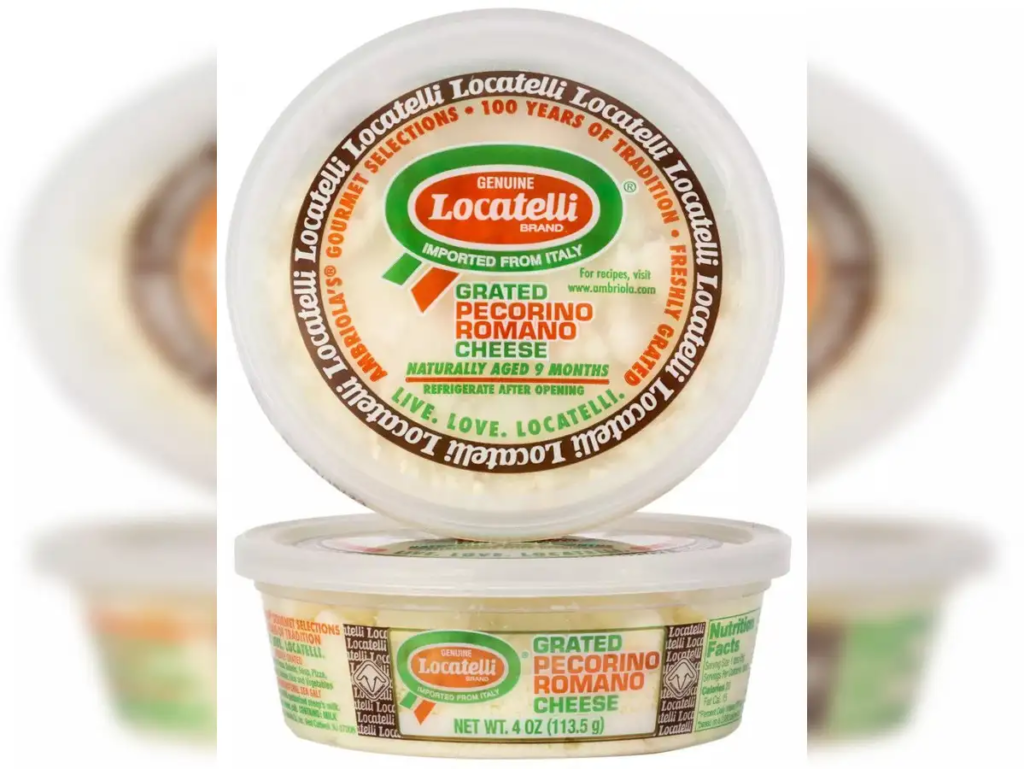
While recalls can be alarming, they also reflect strong food safety systems. Regular inspections, laboratory testing, and reporting mechanisms exist to protect consumers. When a company issues a recall, it often means they are cooperating with regulators and prioritizing public health.
Food recalls happen across all categories, not just dairy. What matters most is transparency, fast communication, and consumer awareness.
How Consumers Can Reduce Future Risk
Although no food is completely risk-free, simple habits can reduce exposure:
- Store cheese at recommended temperatures
- Avoid consuming expired dairy products
- Keep refrigerators clean
- Separate raw and ready-to-eat foods
- Stay informed through official food safety announcements
Being aware does not mean being afraid. It means being prepared.
Frequently Asked Questions (FAQs)
1. Why are cheese products being recalled right now?
Cheese products are being recalled due to the possible presence of Listeria bacteria. Even when contamination is not confirmed, recalls are issued as a precaution to protect public health.
2. Does a cheese recall mean all products from that brand are unsafe?
No. Most recalls apply only to specific batches, lot numbers, or production dates. Other products from the same brand may not be affected.
3. What is Listeria and why is it dangerous?
Listeria is a type of bacteria that can survive in cold temperatures. It can cause serious illness, particularly in pregnant women, older adults, infants, and people with weakened immune systems.
4. What should I do if I bought a recalled cheese product?
Do not consume the product. Dispose of it safely or return it to the store if instructed. Clean any surfaces or containers that may have come into contact with the cheese.
5. What are the symptoms of Listeria infection?
Symptoms may include fever, muscle aches, nausea, fatigue, and headaches. In severe cases, it can lead to more serious complications, especially for high-risk individuals.
Final Thoughts
A cheese product recall is serious, but it doesn’t need to cause panic. These alerts exist to protect consumers, not to scare them. By staying informed, checking labels, and following basic food safety practices, you can reduce risk and continue making confident choices for yourself and your family.
Food safety is a shared responsibility between manufacturers, regulators, and consumers. Awareness is your strongest tool.

From Classic Buffalo to Korean Wings: The Biggest Wing Trends Right Now

The Ultimate Czech Republic Foodie Bucket List for 2026 Travel

Inside Kate Hudson’s Career Comeback: New Projects and Hollywood Success
Teddi Mellencamp Unmasked on The Masked Singer — Latest Reveal Breakdown
Is CMG a Buy Now? Breaking Down the Latest Earnings and Growth Signals
Bahama Breeze Closure 2026: Complete Timeline, Reasons & What’s Next
Disclaimer
This content is for general informational purposes only and does not replace official recall notices or medical advice. Always refer to local food safety authorities or healthcare professionals for specific guidance related to recalled products or health concerns.
Hashtags
#CheeseRecall #FoodSafetyAlert #ListeriaRisk #ProductRecall #ConsumerAwareness #FoodHealth #GrocerySafety #PublicHealth #Carrerbook #Anslation