
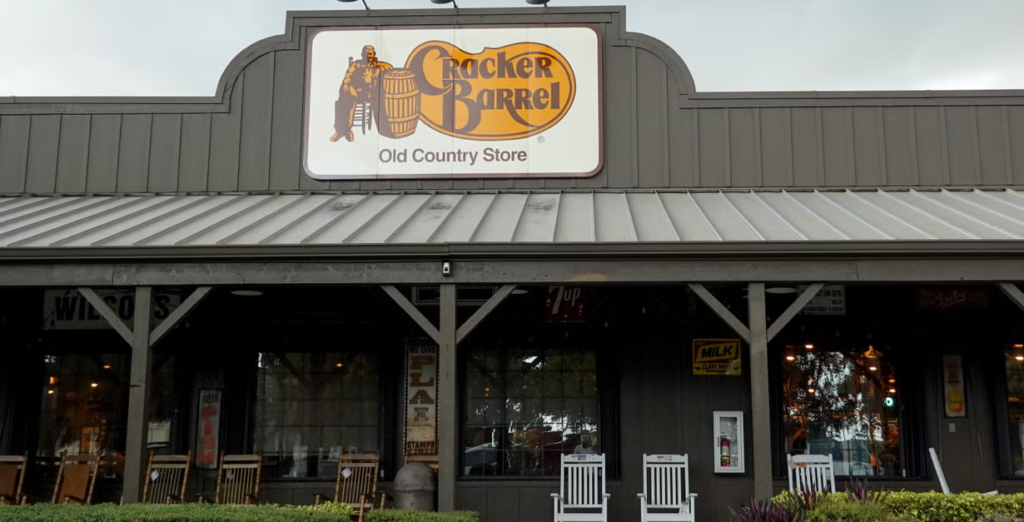
Cracker Barrel, the beloved American restaurant chain known for its homestyle cooking and old-country charm, has recently introduced a new internal dining policy that is attracting attention both inside the company and beyond. The rule, revealed through a leaked internal memo, directs employees traveling for work to prioritize dining at Cracker Barrel restaurants whenever practical — and it comes with stricter limits on reimbursable expenses like alcohol.
This change is more than just a procedural tweak. It’s a reflection of larger shifts taking place within the company as it works to navigate financial pressures, customer expectations, and its own identity in a competitive dining landscape.
What the New Rule Says
According to internal guidance obtained by reporters, employees are now expected to “dine at a Cracker Barrel store for all or the majority of meals while traveling, whenever practical based on location and schedule.” Meanwhile, reimbursements for alcohol purchased on business trips are limited, requiring pre-approval from senior leadership for exceptions.
Unlike some corporate travel policies that suggest cost-saving measures, this one directs employees toward the company’s own restaurants during travel — a move that has sparked discussion about its intent, impact, and optics.
“We want our team members to experience the brand firsthand while on the road, and provide useful insights into the Cracker Barrel experience,” is how one industry observer characterized the internal reasoning, based on leaked context and company messaging.
Why This Rule Matters
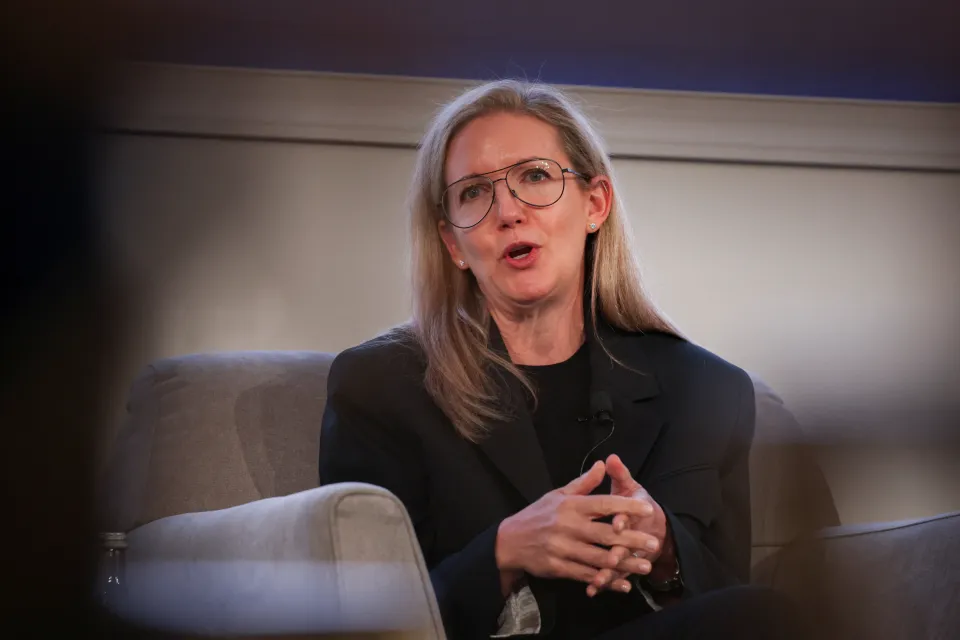
This policy arrives amid headwinds for Cracker Barrel, including a rebranding effort in 2025 that was reversed after significant customer backlash, and slowing revenue growth as the restaurant chain adjusts its strategy.
For employees, this rule changes how business travel works: traditional freedom to choose local restaurants is replaced with a focus on company locations when available. For customers and the wider public, it raises questions about how legacy brands are balancing cultural identity, cost discipline, and internal culture.
What Employees Say Behind the Scenes
While the official memo expects dining at Cracker Barrel “whenever practical,” some employees — in online industry discussions — have highlighted potential frustrations with tighter expense controls, noting that travel meals are often one of the few perks of business trips. Others point out that employers have the legal right to set expense policies but that reasonable flexibility remains essential to morale.
The real challenge for the company will be ensuring this policy feels reasonable and purpose-driven rather than punitive.
Myths vs Facts: Cracker Barrel’s New Dining Rule
Myth: Employees are forbidden from eating anywhere besides Cracker Barrel.
Fact: The rule encourages dining at Cracker Barrel when practical, but it does not ban eating elsewhere. Practicality, location, and schedule still play a role.
Myth: This rule is meant as a punishment.
Fact: According to how the policy was framed, one of its goals is to help employees experience the brand and provide feedback — not to punish them. However, perception varies among staff.
Myth: Reimbursements are completely eliminated for travel meals.
Fact: The company still covers meals, but alcohol reimbursements now require special pre-approval. Standard per-diem meals at Cracker Barrel locations remain reimbursable.
Myth: Customers will be directly affected by this rule.
Fact: This policy applies to employees on business travel, not to restaurant guests or regular customers.
Final Thought
Cracker Barrel’s new dining rule highlights the evolving nature of corporate travel and internal policies in a competitive restaurant industry. While the directive aims to strengthen brand connection and control costs, its long-term success will depend on how well it balances practicality with employee autonomy. Ultimately, the story behind this policy reveals more about Cracker Barrel’s internal strategy than it does about travel logistics — and that makes it a noteworthy development for anyone watching the intersection of corporate culture and customer experience.
From Classic Buffalo to Korean Wings: The Biggest Wing Trends Right Now
Chicken wings have long been more than just a snack — they’re a cultural phenomenon….

The Ultimate Czech Republic Foodie Bucket List for 2026 Travel
The Czech Republic isn’t just about stunning castles, medieval towns and world-class beer — it’s…
Is CMG a Buy Now? Breaking Down the Latest Earnings and Growth Signals
Takeaways for Chipotle Projects Chipotle Mexican Grill Inc. expects sales at established locations to be “about…
Disclaimer : This article is based on publicly available reporting and commentary on Cracker Barrel’s dining policy change. It does not represent inside information and is not affiliated with Cracker Barrel, its employees, or its leadership. Readers should consult official company communications for authoritative guidance.
#CrackerBarrel #DiningPolicy #CorporateTravel #RestaurantNews #EmployeePolicy #BusinessTravel #BrandStrategy #Carrerbook #Anslation