
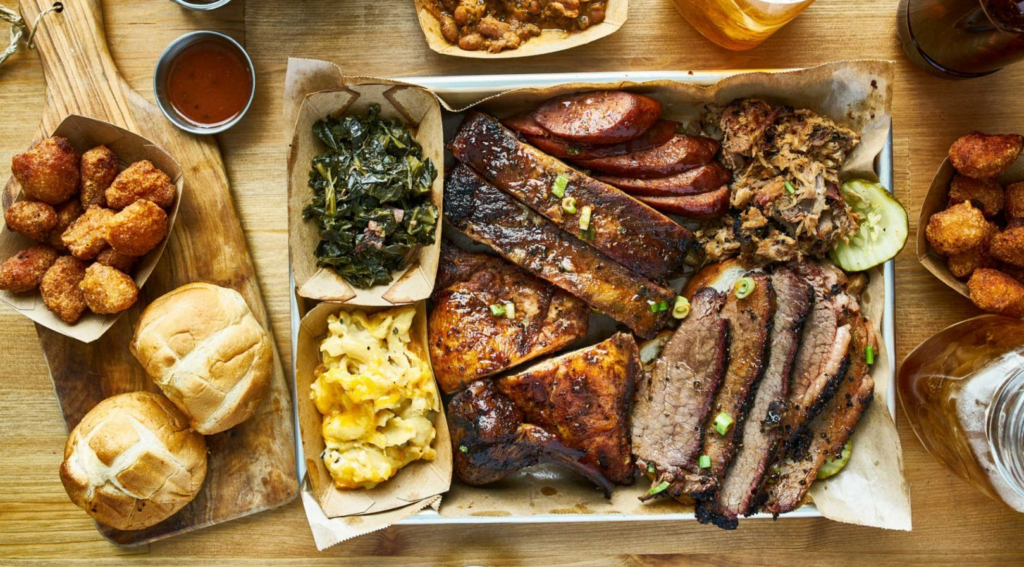
Traveling in the USA has always been a dream for me. I’ve visited the big cities, small towns, and everything in between, and one thing quickly became clear — you can’t really experience America without tasting its local flavors. From tiny food trucks to family-owned diners, each place tells a story through its food. I learned that to truly eat like a local, you need to step away from tourist traps and discover where people actually go.
Starting in the East Coast: Classic Comfort and Local Favorites
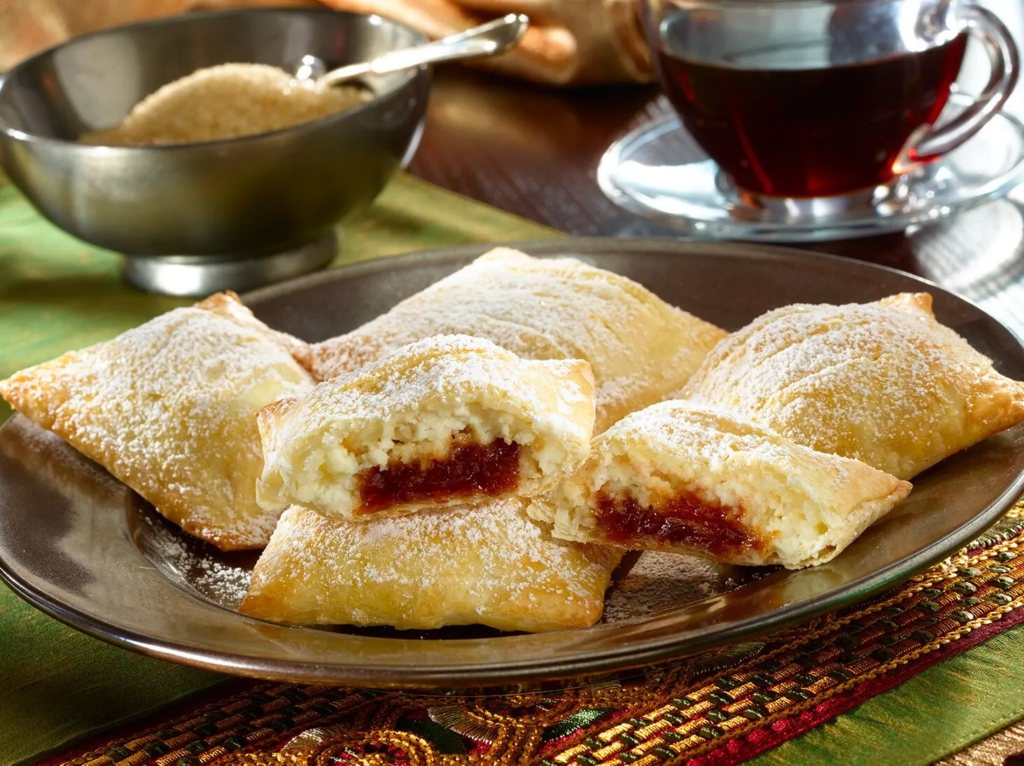
My journey began in New York City, where the variety of food is overwhelming. I remember walking through Queens and stumbling upon a small Dominican bakery. The aroma of fresh pastries drew me in, and I tried their pastelitos de guayaba. It was my first “aha” moment — simple, fresh ingredients can create unforgettable flavors.
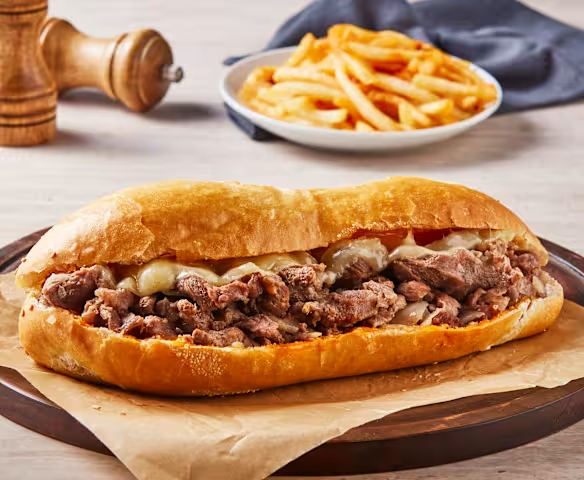
Later, in Philadelphia, I had to try the city’s famous cheesesteak. Instead of going to the famous tourist spots, I asked locals for recommendations and ended up at a small deli called John’s Roast Pork, which served a cheesesteak so rich and juicy that I understood why locals loved it more than any chain.
What I realized in the East Coast was that history matters. Many dishes were influenced by immigrant communities, and each neighborhood had its own twist. Eating like a local meant respecting those flavours and trying dishes I would normally never pick off a menu.
Southern Hospitality on a Plate

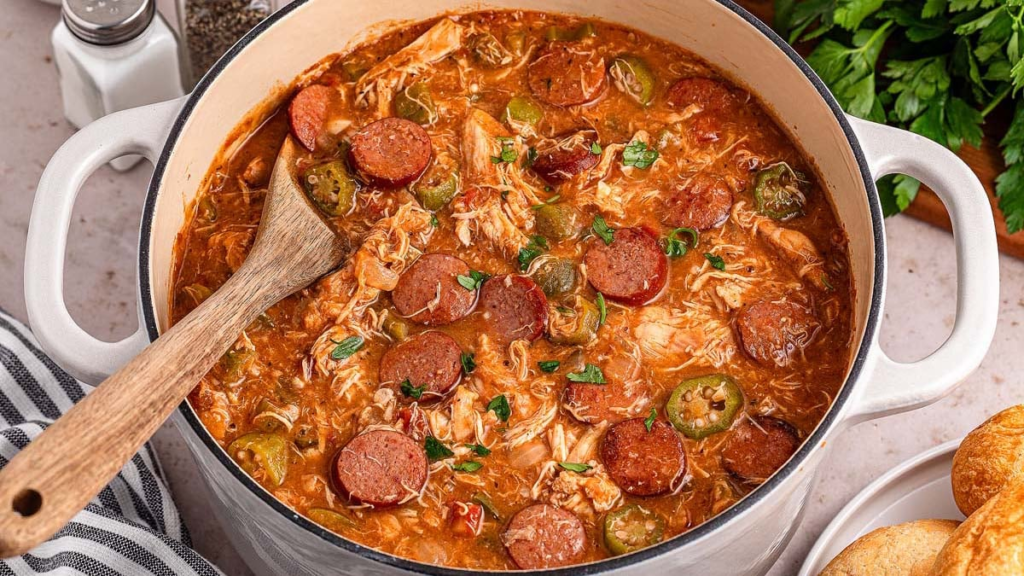
Next, I traveled south, to New Orleans and Charleston. Southern cuisine is all about comfort, spice, and tradition. In New Orleans, I discovered the magic of beignets at Café du Monde, but my favorite was a small Creole restaurant called Dooky Chase, recommended by a local guide. Their gumbo had the perfect balance of spices, seafood, and love — it felt like a warm hug in a bowl.
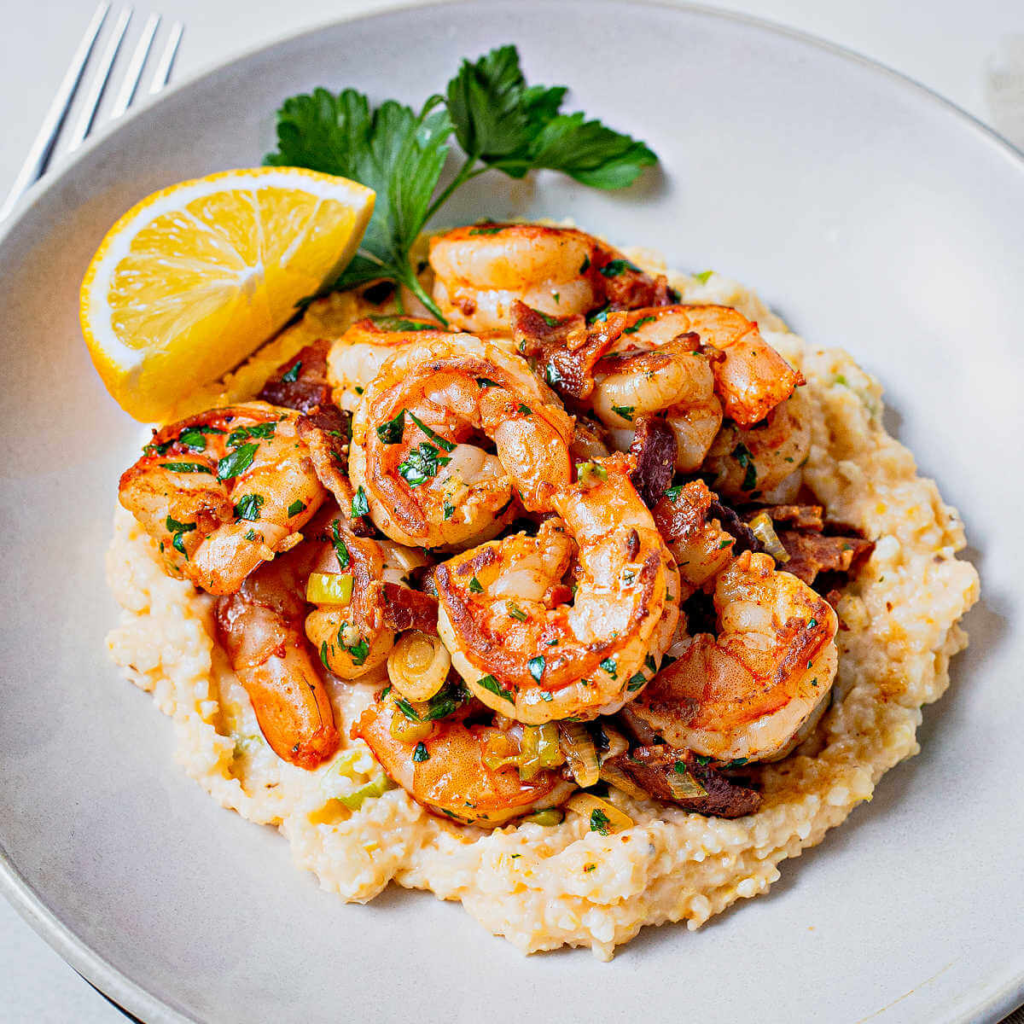
In Charleston, I learned about shrimp and grits. I had it for breakfast at a small local diner, and the chef personally told me it’s a family recipe passed down for generations. Moments like these made me feel connected to the place — it wasn’t just about eating, it was about experiencing a culture through food.
Midwest Comfort: Hidden Gems and Heartwarming Meals
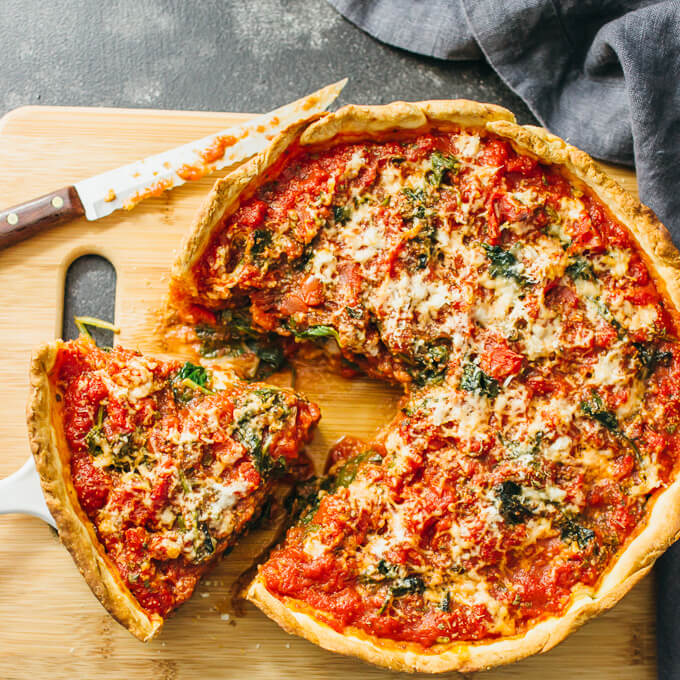
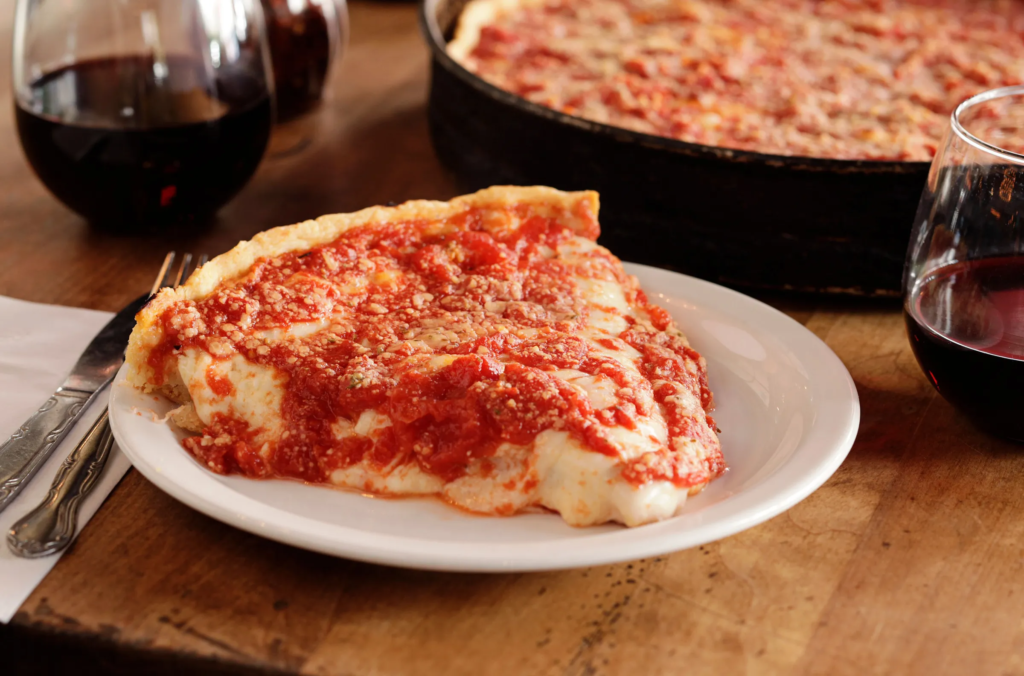

In the Midwest, I visited Chicago and Minneapolis, and here, comfort food ruled. Chicago’s deep-dish pizza is famous, but I avoided the tourist-packed restaurants and tried Lou Malnati’s, which locals swear by. The cheese was creamy, the crust buttery, and every bite was like discovering a new layer of Chicago’s food culture.
Minneapolis surprised me with its local farmers’ markets. I tried wild rice soup, a regional specialty I had never even heard of before. The best part was talking to the farmers, learning how they sourced ingredients locally, and understanding the story behind every dish. Eating like a local isn’t just about the taste — it’s about connecting with the people who make the food.
West Coast Freshness and Fusion Flavours
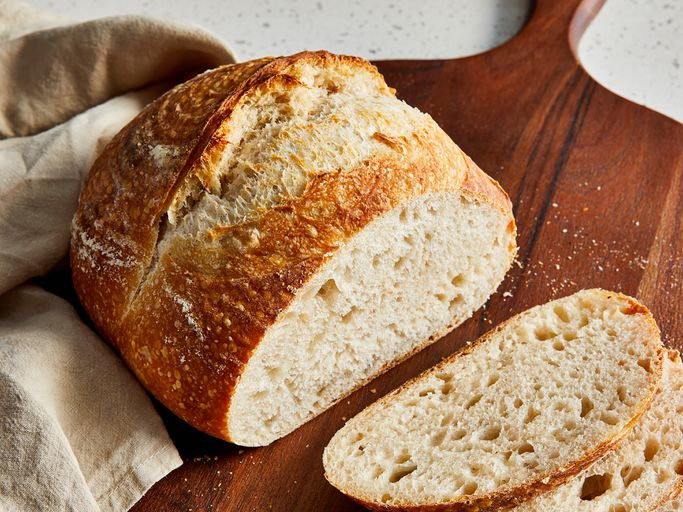
The West Coast offered a completely different experience. In San Francisco, I discovered sourdough bread like nowhere else. A small bakery called Tartine had me queuing for over an hour, but their fresh-baked bread and croissants were worth every minute.
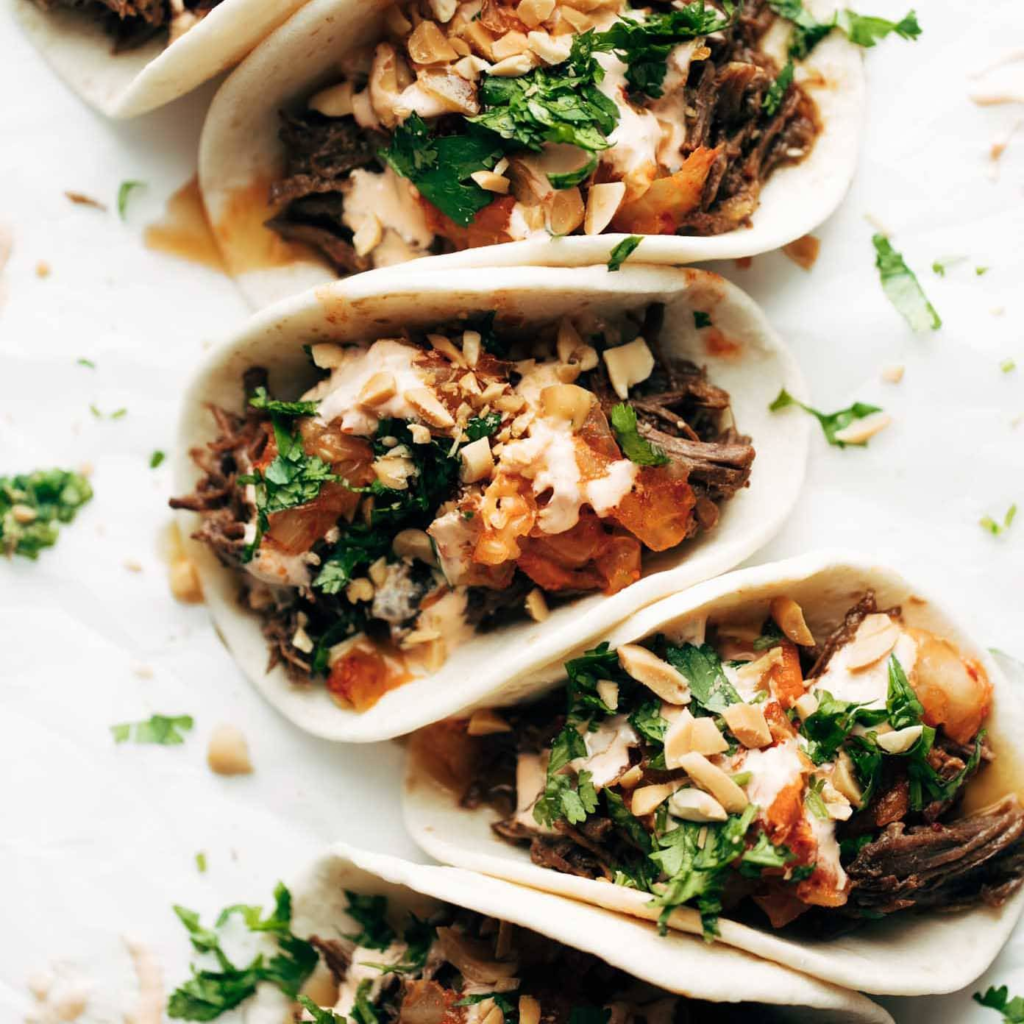
Los Angeles was all about fusion and diversity. I had some of the best Korean tacos at a food truck called Kogi BBQ, blending Korean flavors with Mexican street food — something I would never have thought to try if I stuck to mainstream restaurants. Locals laughed when I hesitated to order, saying, “Trust us, this is LA.” And they were right — it was unforgettable.
Seattle taught me about seafood and sustainability. At Elliott’s Oyster House, I tried oysters I had never tasted before. The chef explained which ones were local and how the Pacific waters influenced the flavor. Eating like a local here meant paying attention to freshness and seasonality.
Lessons Learned: How to Eat Like a Local
After traveling across the USA, I learned some important lessons:
- Ask locals for recommendations — they always know the hidden gems.
- Step away from tourist spots — sometimes the small, unassuming diners are the most memorable.
- Try what you’ve never tried — even if it’s outside your comfort zone, it’s part of the experience.
- Engage with the people behind the food — chefs, bakers, farmers — their stories make the meal richer.
- Respect regional flavors and traditions — food tells a story about history, culture, and community.
Eating like a local isn’t just about food — it’s about connection, culture, and curiosity. The USA has an incredible variety of flavors, and every city, town, and neighborhood has something special to offer. Traveling without trying local foods feels incomplete, at least in my experience.
Final Thoughts
From the streets of New York to the food trucks of LA, my journey taught me that food is the heart of travel. It’s how we understand people, places, and traditions. Every bite was a story, and every dish was a memory.
If you’re planning to travel in the USA, my advice is simple: eat like a local. Step off the main streets, explore neighborhoods, ask for recommendations, and be willing to try things you’ve never had before. That’s where the magic happens.
Because at the end of the day, travel is not just about seeing places — it’s about tasting life, one authentic flavor at a time.
You might also like :
My Simple Skincare Routine That Actually Improved My Skin
Simple Tech Upgrades That Made My Home Office More Efficient
Best Haircare Routine for Healthy Hair in the USA Climate
This blog is based on my personal travel and food experiences across the USA. Food preferences, availability, and experiences may vary by location. This content is shared for informational purposes only.
#EatLikeALocal #USAFoodTravel #AuthenticFlavours #TravelAndFood #FoodieJourney #LocalEatsUSA #FoodTravelBlogger #ExploreUSA #AmericanCuisine #FoodLoversTravel #HiddenFoodGems #CulinaryTravel #TravelBlogUSA #FoodExperience #Carrerbook #Anslation