
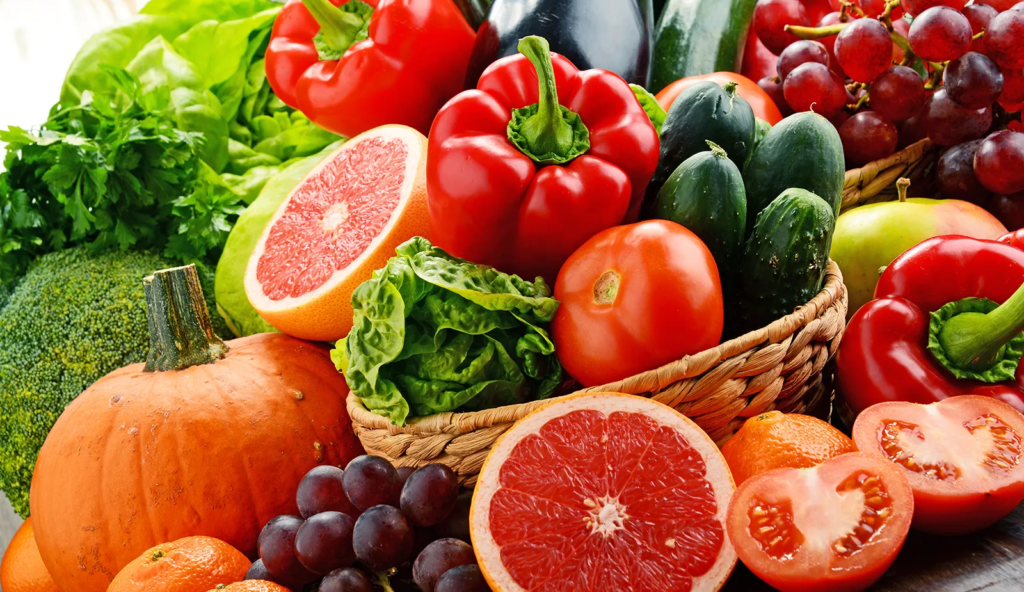
When it comes to losing weight, many people assume that eating less is the only solution. However, you can enjoy larger portions, feel full, and still reduce your calorie intake. By making smart food choices, prioritizing nutrient-dense meals, and understanding how your body responds to different foods, you can manage your weight without feeling deprived or hungry.
Focus on High-Volume, Low-Calorie Foods
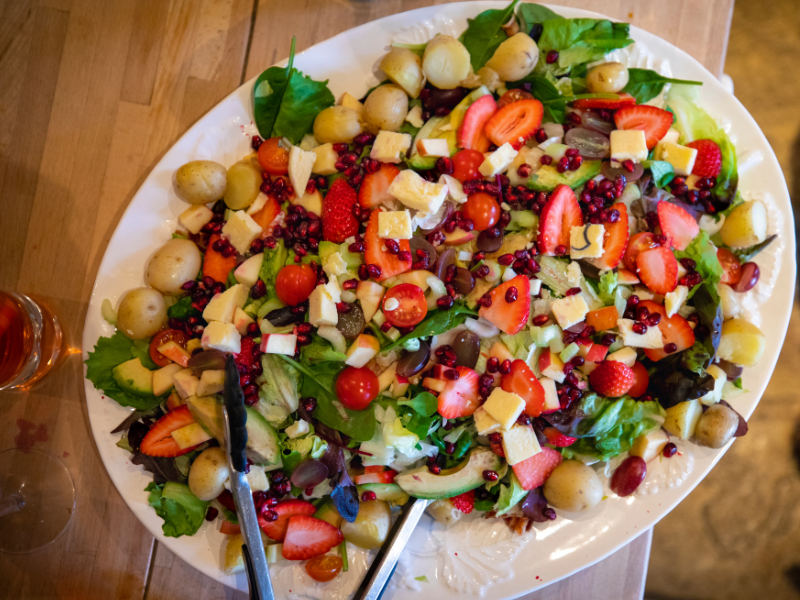
High-volume foods are low in calories but take up more space in your stomach, helping you feel fuller for longer. Vegetables like spinach, kale, broccoli, and cauliflower, as well as fruits like berries, oranges, and watermelon, are excellent choices. Whole grains such as oatmeal and quinoa also add bulk and keep you satisfied. By prioritizing these foods, you can eat larger portions without exceeding your calorie goals.
Prioritize Protein in Every Meal
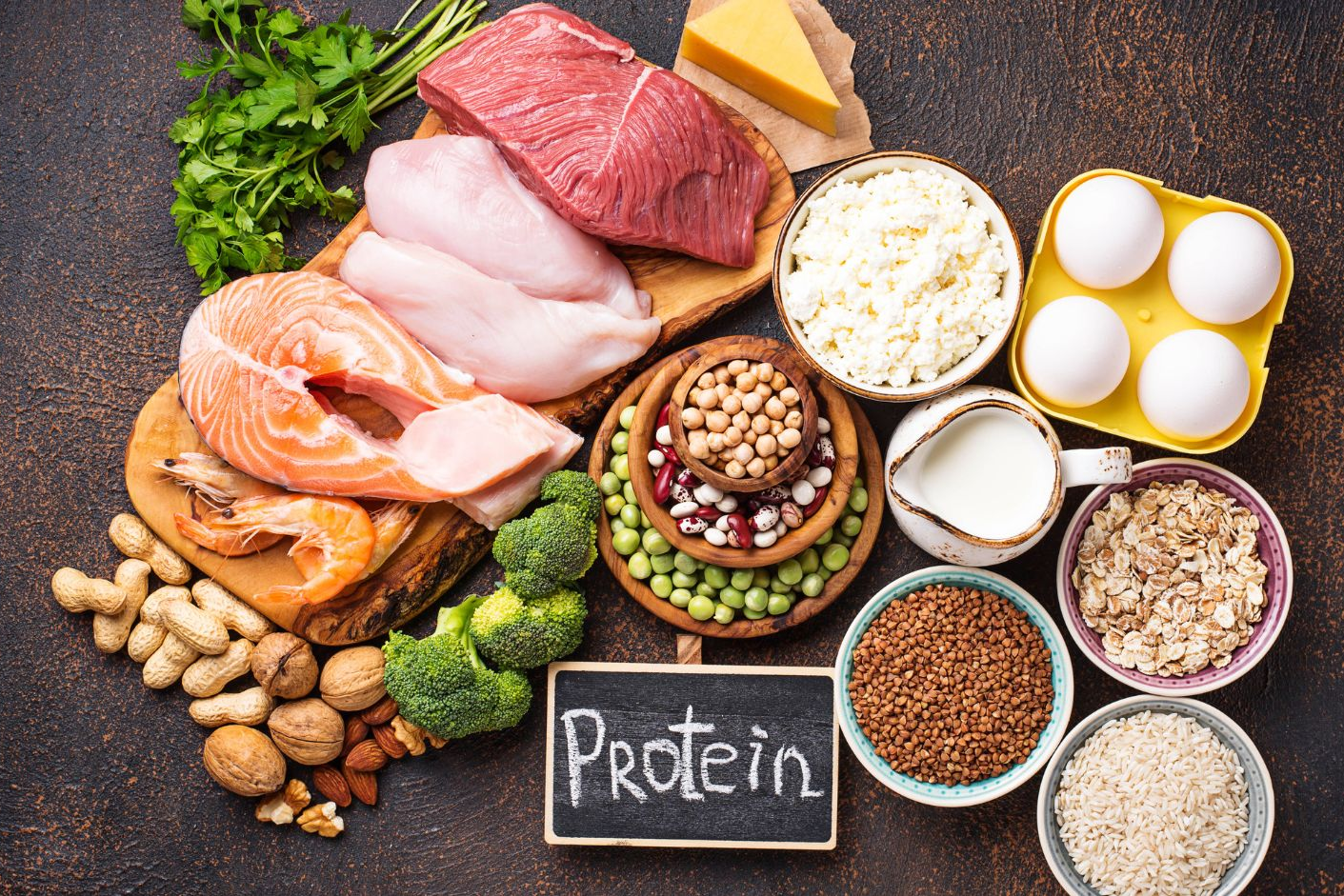
Protein is one of the most satiating nutrients, meaning it keeps you full and satisfied for longer. Including protein in your meals helps stabilize blood sugar levels and supports metabolism. Sources of protein include lean meats, fish, eggs, Greek yogurt, legumes, tofu, and tempeh. Combining protein with high-volume foods ensures fullness without overeating, which is essential for cutting calories effectively.
Include Fiber-Rich Foods
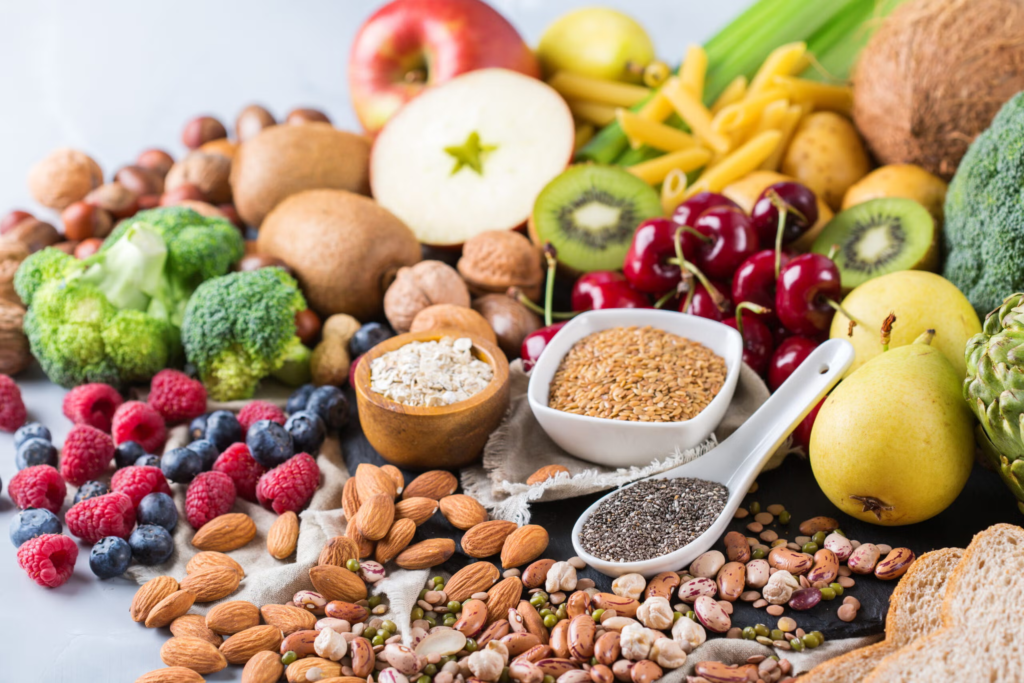
Fiber slows digestion and promotes a feeling of fullness, making it easier to consume fewer calories naturally. Foods rich in fiber include vegetables, fruits, whole grains, nuts, and seeds. Fiber not only supports digestion but also reduces cravings and helps control portion sizes. Including fiber in every meal is a simple way to stay full while reducing calorie intake.
Drink Water Before Meals
Often, thirst is mistaken for hunger. Drinking a glass of water before meals can help curb appetite and prevent overeating. Herbal teas or infused water can also be included if you want variety. This small habit can make a noticeable difference in your daily calorie intake and overall fullness.
You might also like

From Classic Buffalo to Korean Wings: The Biggest Wing Trends Right Now
KiaraChicken wings have long been more than just a snack — they’re a cultural phenomenon….

The Ultimate Czech Republic Foodie Bucket List for 2026 Travel
KiaraThe Czech Republic isn’t just about stunning castles, medieval towns and world-class beer — it’s…

Inside Kate Hudson’s Career Comeback: New Projects and Hollywood Success
KiaraKate Hudson has always been a familiar and beloved face in Hollywood. From her early…
Use Smart Cooking Techniques
The way you prepare your meals can reduce calories without reducing portion sizes. Try steaming, baking, or grilling instead of frying, and use herbs, spices, and citrus to enhance flavor instead of heavy sauces. Replacing high-calorie ingredients with vegetables allows you to enjoy hearty meals with fewer calories, keeping you full and satisfied.
Practice Mindful Eating



Mindful eating helps you listen to your body’s hunger and fullness cues, which prevents overeating. Eat slowly, savor each bite, and avoid distractions like phones or television. Stop eating when you feel satisfied, not stuffed. Mindful eating improves portion control and allows you to enjoy larger meals without consuming extra calories.
Plan Balanced Meals
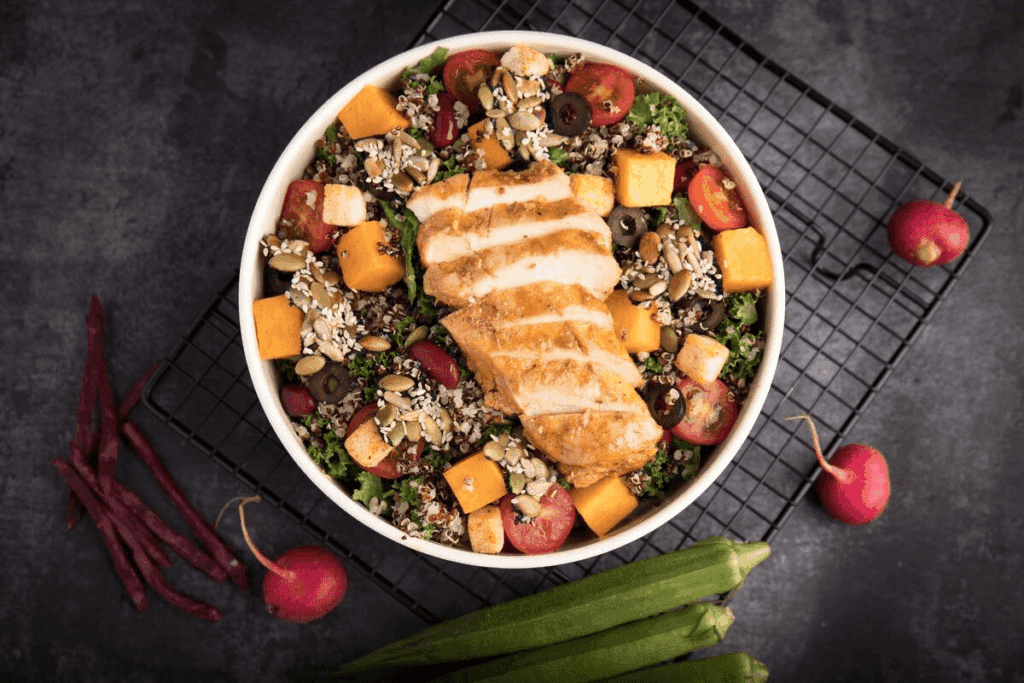
Balanced meals combine protein, fiber, healthy fats, and water-rich foods. Examples include:
- Grilled chicken with quinoa and steamed vegetables
- Lentil soup with a side of whole-grain bread
- Greek yogurt with berries, chia seeds, and a few nuts
Planning meals this way ensures that you eat enough to feel full while staying within your calorie goals.
From Classic Buffalo to Korean Wings: The Biggest Wing Trends Right Now
Chicken wings have long been more than just a snack — they’re a cultural phenomenon….
Final Thought
Eating more while cutting calories is completely achievable when you focus on high-volume foods, protein, fiber, hydration, and mindful eating habits. Small, practical changes in how you eat and prepare meals can make a big difference in controlling hunger, boosting satisfaction, and supporting long-term weight management.
Disclaimer: This content is for informational purposes only and is not a substitute for professional medical advice. Consult a healthcare provider or registered dietitian before making significant changes to your diet, especially if you have underlying health conditions.
#EatMoreCutCalories #WeightLossTips #HealthyEating #MindfulEating #LowCalorieDiet #FullWithoutHunger #Carrerbook #Anslation